The New Battleground Is in Your Pocket
Political organizing used to require clipboards and coffee shop meetings. Today, it happens through WhatsApp groups coordinating neighborhood protests and Telegram channels planning city council disruptions. The shift isn’t just about convenience. It’s a complete rewiring of how political power flows through communities.

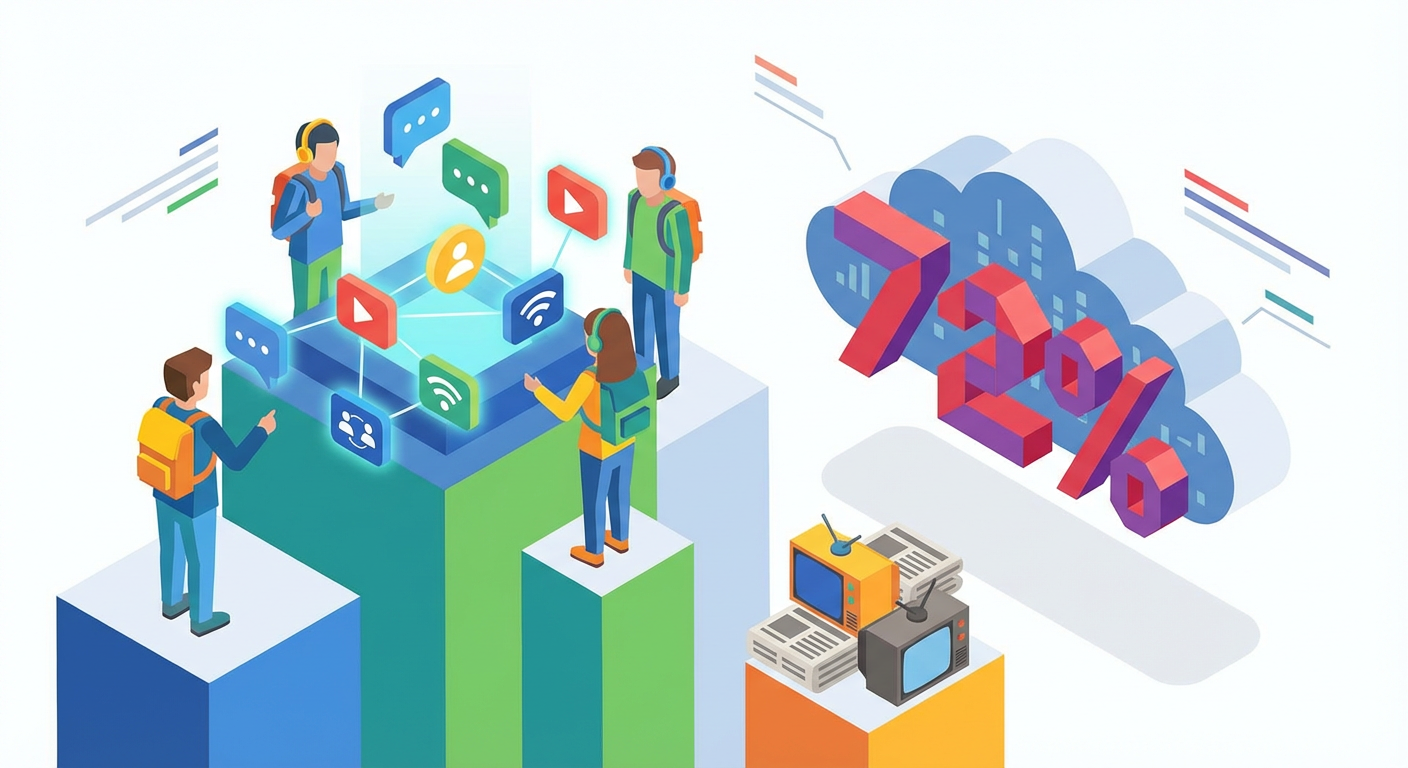
Nearly three-quarters of voters under 35 now get their political news primarily from social media platforms rather than traditional sources. This generation isn’t just consuming politics differently. They’re creating it differently. When local housing advocates organize tenant strikes through Instagram stories, or when parents coordinate school board challenges via Facebook groups, digital tools become the backbone of grassroots democracy.
The consequences play out differently in each community. In suburban districts, NextDoor conversations about property taxes can swing municipal elections. In urban neighborhoods, Twitter threads about police budgets shape city council votes. The platforms may be global, but the political impacts remain intensely local.
Messaging Apps Become Political Machines
Private messaging platforms have become the hidden engines of modern political mobilization worldwide. WhatsApp groups now coordinate everything from voter registration drives to candidate fundraising events. Telegram channels distribute opposition research and organize rapid response campaigns. These closed networks operate beyond the scrutiny of traditional media or election oversight.
The intimacy of these platforms creates unique political dynamics. A text message feels more personal than a campaign flyer. A voice note from a neighbor carries more weight than a television advertisement. Campaigns that master these intimate channels can mobilize supporters with unprecedented speed and precision.
Local political operatives have learned to use these networks strategically. They seed talking points in parent WhatsApp groups before school board meetings. They coordinate volunteer schedules through Signal channels. They use group messaging to distribute last-minute polling location changes or voting reminders. The most effective local campaigns now treat messaging apps as essential political infrastructure.
The Algorithm Problem Hits Home
Social media algorithms systematically amplify outrage-inducing content across all major platforms, and local politics suffers. Municipal budget discussions become heated battles over fiscal responsibility versus community values. Zoning meetings turn into ideological warfare about development versus preservation. The measured deliberation that effective local governance requires becomes nearly impossible in an environment optimized for emotional reaction.
Research from the Brennan Center democracy research has documented how algorithmic promotion of divisive content undermines productive civic engagement. Local officials report that social media controversies now drive their meeting agendas more than constituent needs. City councilors spend more time responding to viral criticisms than addressing infrastructure problems.
The feedback loop creates perverse incentives for political participants. The mayor who calmly explains budget constraints gets ignored. The activist who frames the same issue as moral betrayal gets thousands of shares. Local democracy rewards performance over substance, amplifying voices that generate clicks rather than solutions.
Foreign Actors Target Local Elections
International influence operations have discovered that local American elections offer high-impact, low-cost opportunities for disruption. Foreign actors actively manipulate conversations on X, Facebook, and TikTok ahead of every major election cycle, but their most sophisticated efforts increasingly target state and local races where detection is less likely and impact can be more decisive.
These operations often focus on amplifying existing community divisions rather than creating new ones. Foreign accounts boost controversial posts about local development projects, police budgets, or school curricula. They organize fake grassroots events that never materialize but generate real community tension. They spread false information about voting procedures in targeted precincts.
Local election officials rarely have the resources to identify or counter these efforts. Unlike federal campaigns, most municipal and county elections lack cybersecurity expertise or social media monitoring capabilities. This vulnerability makes local races attractive targets for foreign actors seeking to undermine American democratic institutions from the ground up.
Technology Democratizes Campaign Tools
Open-source software has revolutionized political organizing by making sophisticated campaign tools accessible to any candidate or cause. Voter contact databases that once required expensive consultants can now be built using free platforms. Canvassing apps help volunteers track door-to-door conversations in real time. Digital phone banking allows supporters to make calls from anywhere.
This technological democratization has flattened traditional campaign advantages. Well-funded incumbents no longer monopolize access to professional-grade organizing tools. Grassroots challengers can deploy the same voter identification and mobilization systems used by established political machines. The result is more competitive local elections and increased opportunities for outsider candidates.
Digital fundraising platforms have similarly lowered barriers to political participation while creating new dependencies. Candidates can now raise significant money from small-dollar donors without traditional fundraising networks. However, this model requires constant online engagement and content creation. Politicians spend increasing time building digital audiences rather than engaging with constituents face-to-face.
The shift toward micro-donor fundraising has also changed campaign incentives. Candidates optimize messages for online sharing rather than policy effectiveness. The most successful fundraising appeals often focus on outrage and opposition rather than constructive governing proposals. As noted by analysts at Democracy Now, this dynamic can undermine the collaborative relationships necessary for effective local governance.
Building Better Digital Democracy
The digital transformation of political organizing presents both opportunities and challenges for democratic participation. Technology has made political engagement more accessible while creating new vulnerabilities to manipulation and polarization. The key question isn’t whether to embrace these tools, but how to use them in ways that strengthen rather than undermine democratic institutions.
Local communities are experimenting with approaches that harness digital tools while preserving space for thoughtful deliberation. Some cities use online platforms to gather input on budget priorities while requiring in-person discussions for final decisions. Others create digital spaces for community organizing while maintaining face-to-face candidate forums. The most successful efforts combine technological innovation with institutional wisdom.
What digital organizing strategies have you observed in your community? How are local campaigns and advocacy groups using technology to engage residents? Share your experiences with the political transformation happening in neighborhoods across the country.